CNC Lathe vs Manual Lathe: Which One Should You Buy?
CNC lathe vs manual lathe compared: price, precision, repeatability, setup time, batch size, maintenance and resale value, plus which type to buy.
CNC Lathe vs Manual Lathe: The Basic Difference
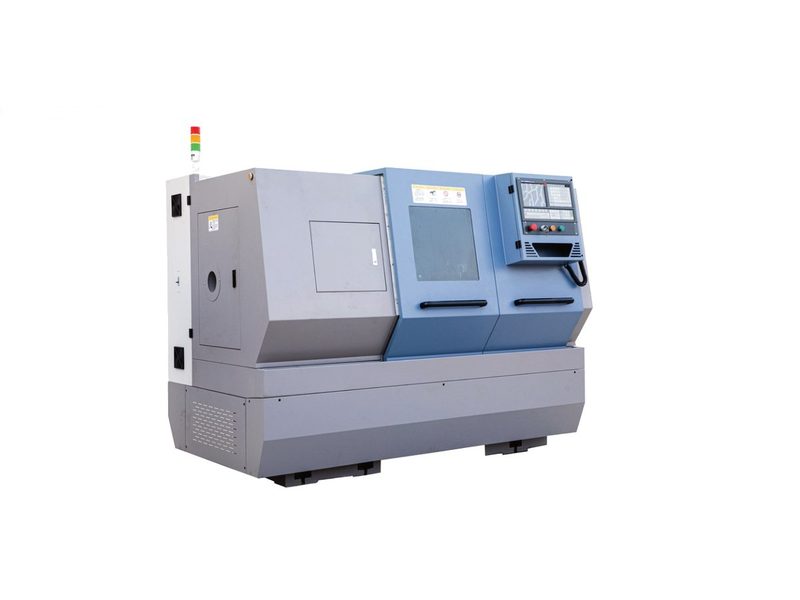
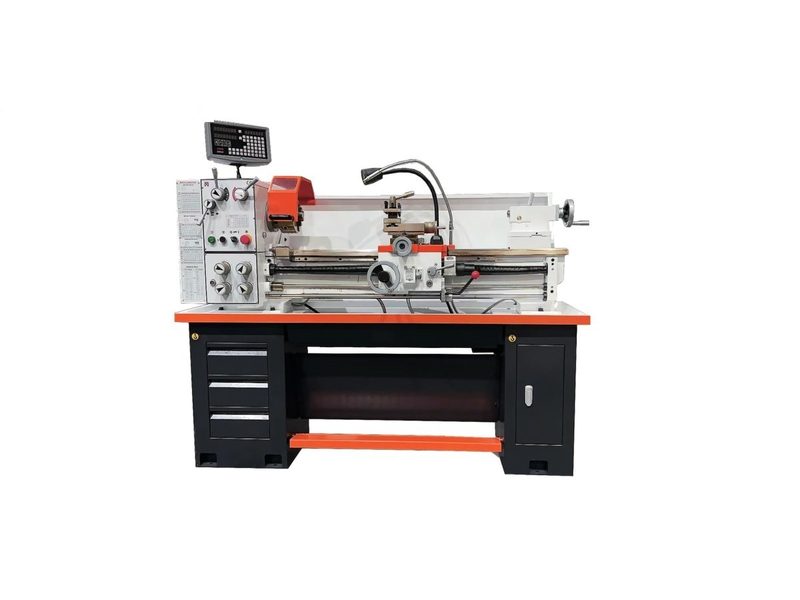
A manual lathe — bench, engine or gap bed — is driven entirely by the operator's hands on the carriage handwheel and cross-slide. A CNC lathe stores the tool path in a controller and moves the axes by servo motors. Both turn cylindrical parts, but they optimize for opposite goals: the manual machine rewards skill and flexibility, while the CNC machine rewards repeatability and throughput. The choice between them comes down to price, parts and people.
Price and Upfront Investment
Manual lathes are far cheaper to buy. A bench lathe such as the C0636A bench lathe or an engine lathe like the W510 delivers a complete turning capability for a fraction of a CNC machine. Even a larger manual machine such as the W560E costs noticeably less than a comparable CNC lathe.
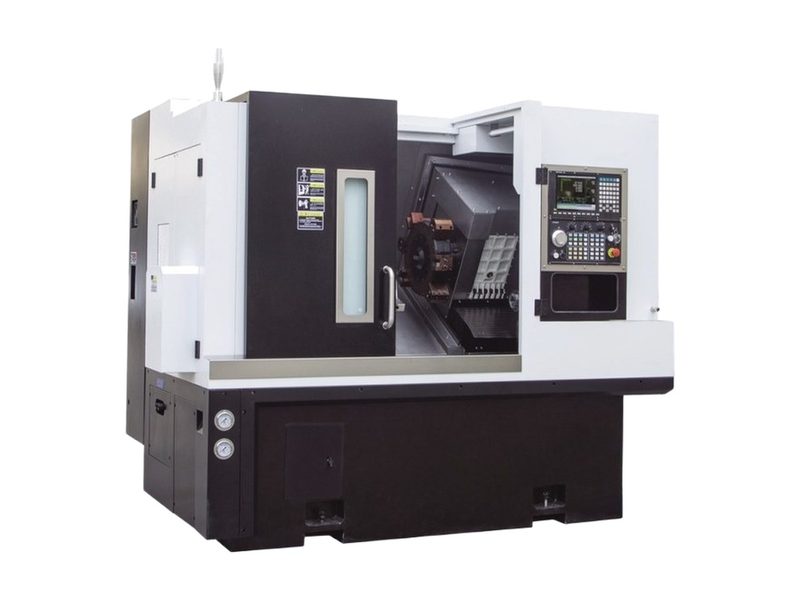
CNC lathes carry a higher sticker price because they add a controller, servo spindle, ball screws, hydraulic chuck and turret. The CK6432 CNC lathe, the slant-bed TK4036 and the heavy CK6166 sit well above manual equivalents. The payback is realized per part: the more pieces you run, the faster the CNC investment pays for itself through lower labor cost per piece.
Precision and Repeatability
A good manual lathe in skilled hands can hold tight tolerances on a single part. Repeatability — making the tenth, hundredth and thousandth piece identical to the first — is where CNC wins decisively. Once the program is proven, the controller positions the tool to the same axis values every cycle, independent of operator fatigue and interruptions. This is why automotive, hydraulic, pneumatic and fastener shops standardize on CNC lathes for production turning.
Programming and Operator Skill
Manual turning demands a long apprenticeship: reading the thread chart, selecting change gears, setting feeds by hand, and compensating for tool wear mid-cut. A skilled manual operator is valuable, but training one takes years. CNC lathes need a different skill set — G-code or conversational programming, tool setting and offset management — which machinists typically learn in weeks rather than months. The trade-off is that a bad program on a CNC machine can scrap parts faster than a bad hand-feed on a manual lathe, so first-article checking and proven offsets remain essential.
Setup, Load and Changeover Time
Manual lathes set up quickly: mount the chuck, face the stock, dial in the tool and start cutting. There is no program to write, so a one-off part may take minutes. CNC lathes need tooling, a proven program, work offsets and dry runs, which can add an hour or more to the first part. That setup cost is fixed per batch, so it amortizes well over hundreds of pieces but hurts on single prototypes. Hydraulic chucks, automatic tool turrets and bar feeders on machines like the CK6432 and TK4036 close this gap for recurring jobs.
Batch Size: When Each Type Wins
- Manual lathe wins on: one-offs, repair parts, prototypes and low-batch runs under roughly 50 pieces.
- CNC lathe wins on: recurring batches of hundreds to thousands, where cycle time and repeatability matter most.
- Mixed shops: keep a manual lathe for surprises and a CNC for production — most job shops end up running both.
Maintenance and Operating Cost
Manual lathes are mechanically simple: gear head, leadscrew, handwheels. They are cheap to maintain, tolerate rough environments and can be fixed by any general mechanic. CNC lathes add controllers, servo drives, encoders, hydraulics and coolant systems that demand cleaner environments, trained technicians and authorized spare parts. Spindle and way wear is comparable on both, but the CNC's electronics add both cost and downtime risk. Budget for preventive maintenance and extended support from the supplier when you size a CNC purchase.
Resale Value and Support
Popular manual lathes — bench and engine models — hold their value well because the used market is broad and any shop can operate them. CNC lathes are a more specialized resale: older controls and proprietary software can narrow the buyer pool, and shipping and installation are heavier. Buying a well-documented machine from an established exporter like WIST, with English manuals, CE documentation and remote support, protects the resale value of either type.
Which One Should You Buy?
If your customers are mostly prototypes, repair work and small batches, start with a manual lathe: a bench C0636A for light work, a W510 or W560E for general shop duty. If you see recurring orders with tight tolerances and growing volumes, step up to a CNC lathe such as the CK6432, the slant-bed TK4036 or the heavy CK6166. Many workshops buy one of each — the manual handles the odd jobs, the CNC handles the money work.
Send your part drawings, batch sizes and target cycle time to WIST Machinery via the contact page or on WhatsApp, and our export team will recommend the right lathe configuration with a factory quote within 24 hours.
Not sure CNC or manual fits your shop?
Send us your part drawings and batch sizes — our export team will reply within 24 hours.